Gyrafold
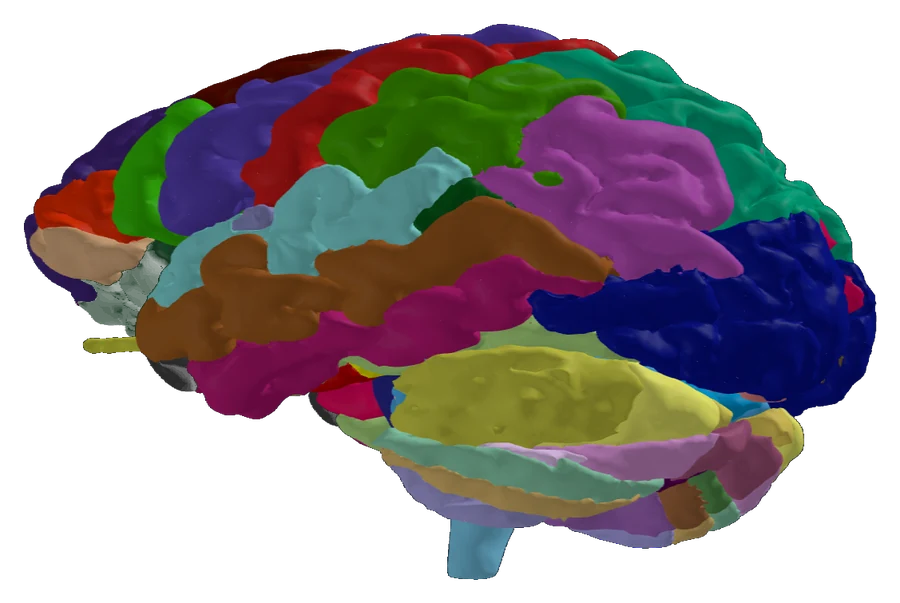
A 3D atlas of the human brain. Spin it, slice it and tap any of 300+ structures to see what it does, then quiz yourself until the names stick.
Psychology student at Arizona State University and Marine Corps veteran. I study how people decide where to spend mental and physical effort, and I build free tools for learning about the brain and planning experiments.
From 2017 to 2022 I served in the U.S. Marine Corps as a Navigational Aids Technician. My team set up, aligned and calibrated navigation systems in demanding conditions, and as an instructor I trained other Marines to do the same. That work was about turning noisy signals into readings you can trust. Psychology asks a version of the same question about people.
Now I study psychology at Arizona State University, where I hold a 4.0 GPA and expect to finish my B.S. in spring 2027. I will be the first person in my family to earn a bachelor's degree.
As an undergraduate researcher in Dr. Iman Feghhi's lab, I lead the development of a study on what happens when people face cognitive and physical demands at the same time. I programmed the experiment in PsychoPy and help train the research assistants who run it.
I am working toward a Ph.D. in cognitive or computational neuroscience, and I am looking for research assistant and post-baccalaureate positions that begin in 2027.
Both are free, run in a web browser and work on phones.
A 3D atlas of the human brain. Spin it, slice it and tap any of 300+ structures to see what it does, then quiz yourself until the names stick.
A planner for psychology experiments. Choose a design, plan the analysis, simulate the data your prediction implies and export a preregistration draft.
CogViz is hosted free on Streamlit. If nobody has used it for a while, it can take about a minute to wake up.